 Shared by @wurdsmyth.bsky.social ↗
 thebookseller.com49m ago
 Shared by @botsocialista.ursal.zone.ap.brid.gy ↗
 techpolicy.press57m ago
 Shared by @rssfeedaccount.bsky.social ↗
 time.com57m ago
Google has restricted Meta's access to its Gemini AI models after the social media giant requested more computing capacity than the search giant could provide, according to a Financial Times report. The shortage, communicated around March, disrupted and delayed several of Meta's internal AI projects, though other Google clients have also been affected to a lesser extent. "Surging appetite for advanced models is turning computing power into the tech industry’s scarcest commodity" The FT report underscores how even the largest technology companies are not immune to the infrastructure crunch. Seeking Alpha noted that the intensifying demand for AI computing power is outstripping supply, highlighting a broader industry challenge where allocation decisions are becoming increasingly strained. Meta had been using Gemini to assist with coding tasks and chatbot development, according to Engadget. Google was forced to cap that usage because it lacked the server capacity to support both its own needs and Meta's demands, illustrating the intense competition for computational resources in the AI sector. "the intense competition and infrastructure strain in the AI industry, where even major tech companies face resource limitations" The situation signals that the AI arms race is as much about hardware availability as it is about algorithmic breakthroughs. With compute capacity now a prized and finite resource, partnerships between tech giants may increasingly be governed by supply constraints rather than strategic alignment alone.

Indian developers and real estate companies are racing to build hotel assets, while major hospitality brands like Marriott, Hilton, and IHG focus on managing these properties through 'asset-light' or 'asset-right' strategies rather than owning them. This trend is driving a hotel
 skift.com·Business by Flipboard·58m ago·2 min read
China's industrial profits surged 18.8% year-on-year in the first five months of the year, reaching CNY3.14 trillion (USD462.4 billion), according to the National Bureau of Statistics. The growth was driven by higher industrial prices and strong performance in emerging industries
 yicaiglobal.com·Business by Flipboard·59m ago·2 min read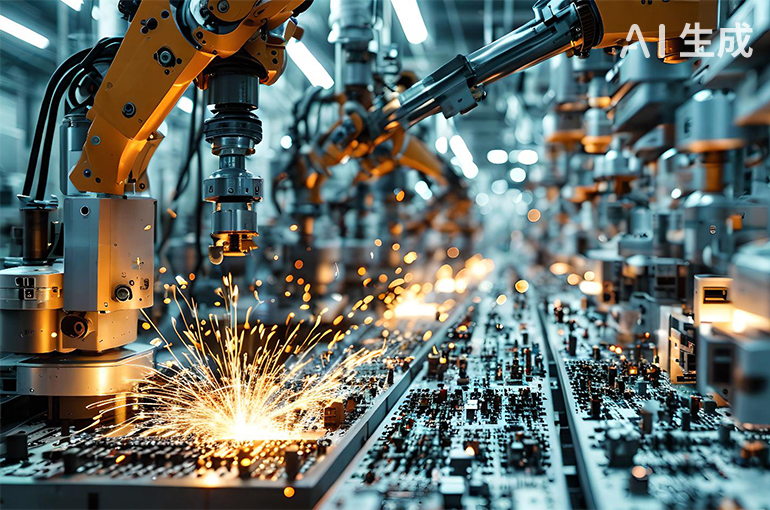

 Shared by @squareeye.com ↗
 abovethelaw.com1h ago
 Shared by @uktn.bsky.social ↗
 Shared by @tech.eu ↗
 tech.eu1h ago
 Shared by @anna26458.bsky.social ↗
 gizmodo.com1h ago
 Shared by @govt-contracting.bsky.social ↗
 jdsupra.com1h ago
 Shared by @semi1-98.bsky.social ↗
 marketresearchfuture.com1h ago
 Shared by @semi1-98.bsky.social ↗marketresearchfuture.com1h ago
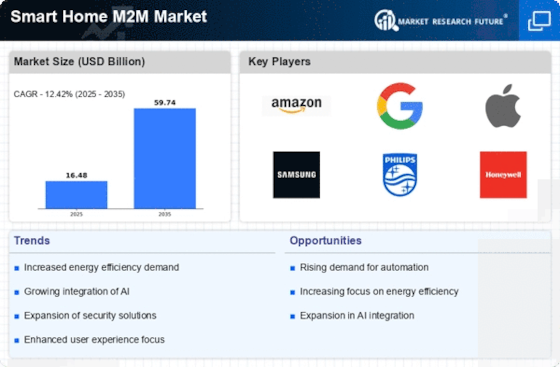 Shared by @semi1-98.bsky.social ↗marketresearchfuture.com1h ago
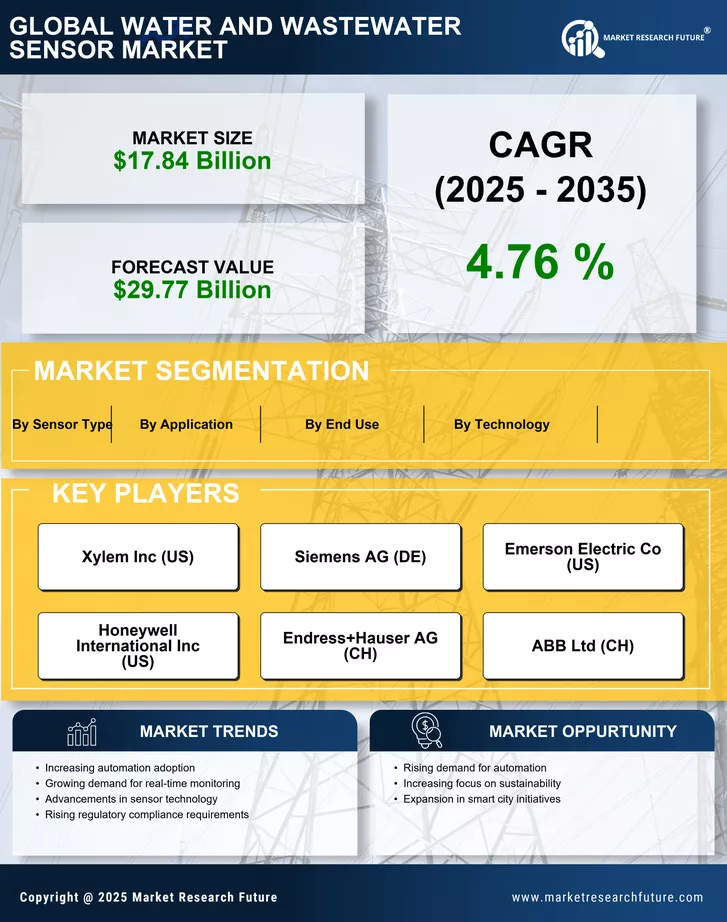 Shared by @semi1-98.bsky.social ↗marketresearchfuture.com1h ago
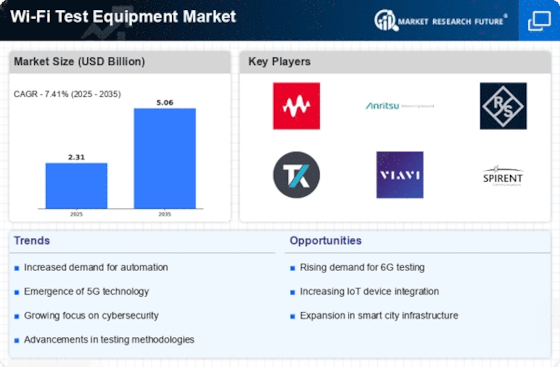 Shared by @semi1-98.bsky.social ↗marketresearchfuture.com1h ago